
Polychlorinated biphenyls (PCB)
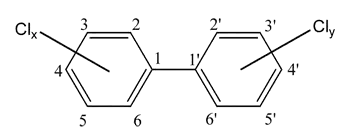
Polychlorinated biphenyls (PCB) is a group of substances which comprises more than 200 various compounds.These compounds vary by their chemical and physical attributes. They vary in the degree of chloridation and also in a placement of a chlorine atom on aromatic cores.
Polychlorinated biphenyls are stable and non-corrosive substances. They almost don’t dissolve in water but they bond with fats. Unfortunatelly to a certain degree they agglomerate in food chains and threaten human health. This is also one of the reasons why they are no longer being artificialy produced on a big scale.
Into the water they get mostly by paints.
PCB often originate as a byproduct of e.g.: metallurgy, by waste combustion, in chemical processes that create various chlorine compounds etc..

Health risks of polychlorinated biphenyls
Carcinogenic, mutagene and toxic effects. Tiredness, vomiting, mild hepatitis, bronchitis, asthma, pneumonia, rashes, hairloss, swelling, headache, conjunctivis.
Use
Paints, aditives, tranformer contents, polish finishes, hydraulic equipment, condensators.
In the past they have been called in business for example: Asbestol, Askarel, Sovol Bakola, Delor, Delotherm, Dykanol, Hydelor, Chlorinol, Pyranol, Saft-T-Kuhl or Delor.
Limit of PCB in drinkable water is 0,1 mg/l.